Author Archives: Camila Barrett
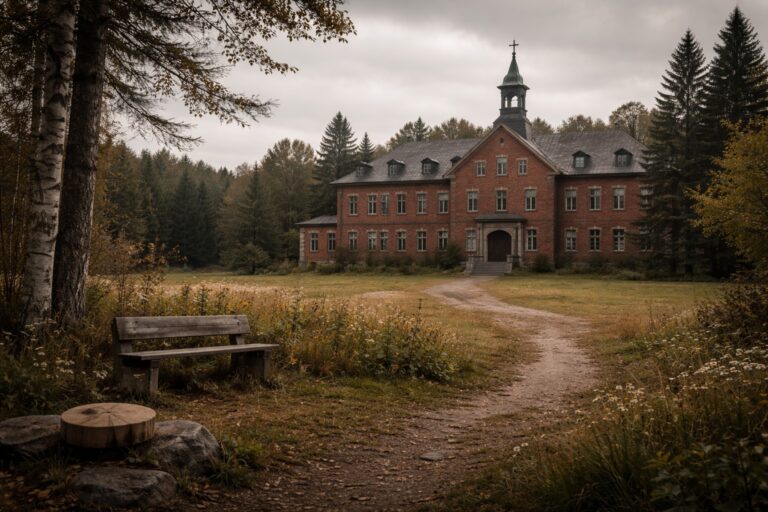
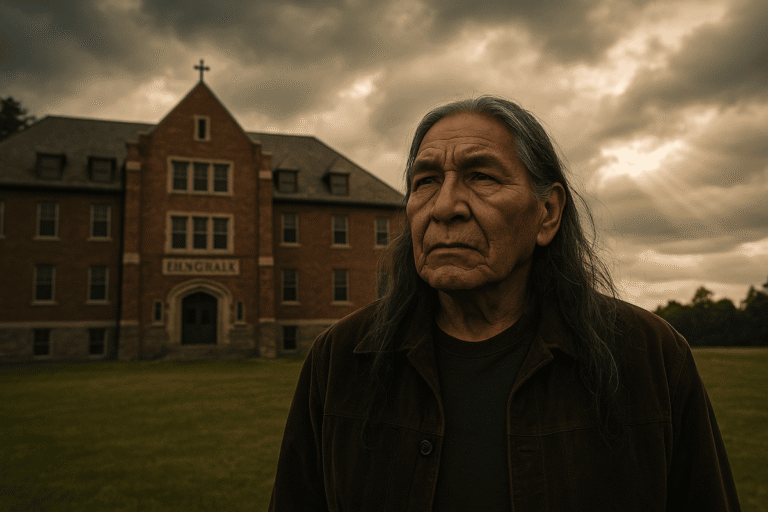
What Was the Shingwauk Residential School?
The Shingwauk Residential School was part of a larger system in Canada that separated Indigenous children from their families, cultures, and identities. While it may seem like a distant part of history, its impact is still felt today by survivors, … Continue reading
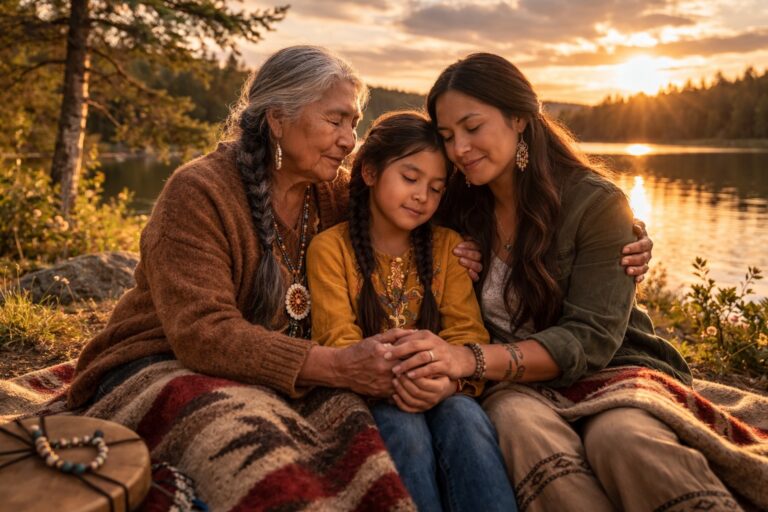
How Residential Schools Still Affect Families Today
Residential schools are often described as part of Canada’s past. But for many Indigenous families, the impact is still present today. It shows up in relationships, identity, mental health, and community connections. The experiences of survivors did not end when … Continue reading
The Voices of Resilience: The Power of Survivor Stories
Official histories and government reports can only tell part of the story. The true, painful, and human reality of residential schools is contained within the personal accounts of the survivors. The stories of the Children of Shingwauk are a living … Continue reading
Preserving Indigenous History: The Role of the Children of Shingwauk Alumni Association
Indigenous history is an integral part of Canada’s cultural and historical fabric, and preserving it is crucial for fostering understanding and reconciliation. The Children of Shingwauk Alumni Association (CSAA) is at the forefront of this effort, ensuring the stories and … Continue reading
How to Choose the Right Laboratory Assistant Program in Vancouver, BC
Choosing the right laboratory assistant program is a crucial step toward a successful career in the healthcare or scientific research field. With numerous laboratory assistant programs available in Vancouver, BC, it’s essential to find one that aligns with your career … Continue reading
Educational Initiatives: Unearthing the Legacy of Indian Residential Schools
The legacy of Indian Residential Schools is a profound chapter in the history of Indigenous peoples and the wider fabric of Canada. For over a century, these institutions operated with the intention of assimilating Indigenous children into Euro-Canadian culture, often … Continue reading