What Was the Shingwauk Residential School?

The Shingwauk Residential School was part of a larger system in Canada that separated Indigenous children from their families, cultures, and identities. While it may seem like a distant part of history, its impact is still felt today by survivors, their children, and future generations.

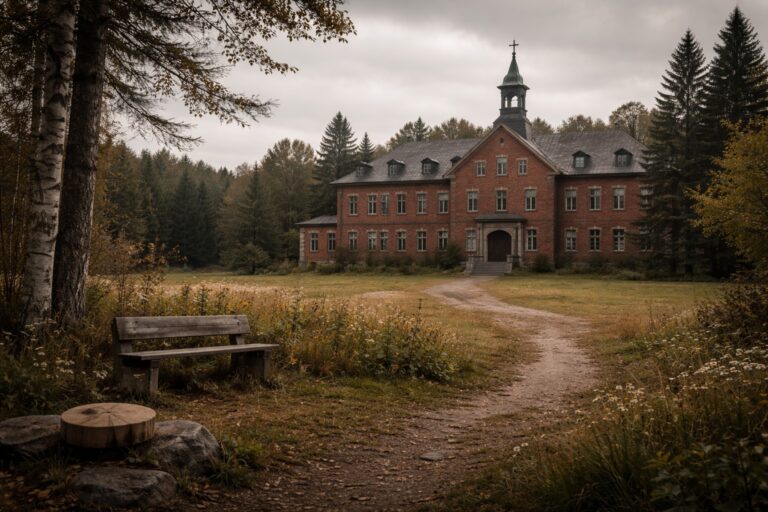
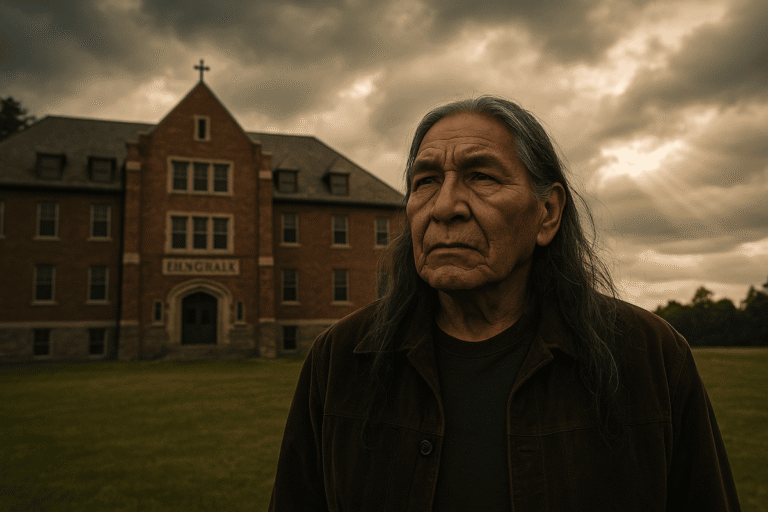
Located in Sault Ste. Marie, Ontario, Shingwauk was one of many residential schools created under government and church authority. Understanding what happened there is essential to understanding the ongoing journey of healing and reconciliation.

You can learn more about this work through the Children of Shingwauk Alumni Association, which continues to support survivors and preserve this history.

What Was the Shingwauk Residential School?

The Shingwauk Residential School was a government-funded, church-operated institution designed for Indigenous children. It operated from the 1870s until 1970, making it one of the longest-running residential schools in Canada.

Children from First Nations, Métis, and Inuit communities were taken—often far from home—and placed in the school. The purpose was not simply education. The goal was assimilation: to replace Indigenous identity with European-Canadian ways of life.

At its core, Shingwauk was part of a system that:

  • Removed children from their families
  • Suppressed language and culture
  • Replaced traditional teachings with Western values

While it was presented as a place of learning, its structure and policies caused deep harm that extended far beyond the classroom.

Where Was Shingwauk Located and Why There?

Shingwauk was located in Sault Ste. Marie, Ontario, on the traditional lands of the Anishinaabe and Métis peoples.

The location was not accidental. Residential schools were often built away from Indigenous communities to make it harder for children to maintain connections with their families and cultures.

Over time, children were brought to Shingwauk from across Ontario and even other parts of Canada.

Today, the site is home to Algoma University and the Shingwauk Residential Schools Centre, which work alongside organizations like CSAA to support education, healing, and awareness.

The Original Vision vs Reality

Chief Shingwauk’s Vision

The school was named after Chief Shingwaukonse, an Anishinaabe leader who had a very different vision for education.

He believed in what he called a “teaching wigwam”—a place where Indigenous youth could learn new skills while still maintaining their culture and identity.

His goal was balance, not replacement.

What Actually Happened

The reality was very different.

The system that developed under government and church control focused on assimilation. Instead of supporting Indigenous identity, it worked to remove it.

Children were:

  • Discouraged or punished for speaking their language
  • Separated from cultural practices
  • Taught to reject their identity

This shift from vision to reality is one of the most important parts of understanding Shingwauk’s history.

What Was Daily Life Like at Shingwauk?

Daily life at Shingwauk was highly structured and controlled.

Strict Rules and Structure

Children followed strict schedules and were often separated by age and gender. Discipline was enforced, and personal freedom was limited.

Education and Labour

Shingwauk followed an “industrial school” model. This meant children split their time between classroom learning and manual labour.

Typical daily activities included:

  • Half-day classroom instruction
  • Half-day labour such as farming, cleaning, or maintenance

This approach limited academic growth and focused more on preparing children for manual work.

Separation from Family

One of the most painful aspects was separation from family.

Children:

  • Could rarely visit home
  • Had limited communication with parents
  • Grew up without consistent family support

This separation had lasting emotional effects that continue to influence families today.

Cultural Suppression and Identity Loss

Cultural suppression was a central part of the residential school system.

At Shingwauk, children were expected to abandon their languages, traditions, and spiritual practices.

This had lasting consequences:

  • Loss of language across generations
  • Disconnection from cultural identity
  • Confusion about belonging and self-worth

For many families, this loss is still being addressed today through cultural revitalization and education.

To explore more about this legacy, visit: https://childrenofshingwauk.ca/shingwauk-history/


The Impact on Survivors

The effects of Shingwauk did not end when students left the school.

Many survivors carried:

  • Emotional trauma
  • Grief and loss
  • Difficulty forming relationships

Some also lost the opportunity to learn parenting skills within a family environment, which affected how they later raised their own children.

These impacts are often described as intergenerational trauma—where the effects of one generation’s experiences influence the next.

The presence of memorials and burial sites at the school grounds is a powerful reminder of the lives affected.


What Happened After the School Closed?

The Shingwauk Residential School officially closed in 1970.

After closure:

  • Survivors returned to communities without support systems
  • Many struggled with identity and reintegration
  • The broader impacts remained largely unacknowledged for years

In 1971, Algoma University moved onto the site, transforming it into a place of education.

Over time, the site evolved into a space for both learning and healing.


The Legacy of Shingwauk Today

Today, Shingwauk is recognized as a National Historic Site of Canada.

Its legacy is complex. It represents both:

  • A painful history of forced assimilation
  • An ongoing effort toward truth, education, and reconciliation

Organizations, educators, and survivors continue to share stories and create spaces for dialogue.

The site now supports:

  • Educational programs
  • Archival research
  • Community gatherings

This shift reflects a broader movement toward reclaiming history and restoring cultural identity.

The Role of the Children of Shingwauk Alumni Association

The Children of Shingwauk Alumni Association plays a key role in this ongoing work.

Through their efforts, they:

  • Support survivors and their families
  • Preserve historical records and stories
  • Promote healing and community connection
  • You can explore their work here: https://childrenofshingwauk.ca/

And read personal experiences here: https://childrenofshingwauk.ca/survivor-stories/

Their work ensures that the history of Shingwauk is not forgotten—and that it is shared in a respectful, truthful way.


Why Learning This History Matters

Understanding Shingwauk is not just about the past. It is about recognizing how that past continues to shape the present.

Learning this history helps:

  • Build awareness and empathy
  • Challenge misinformation
  • Support meaningful reconciliation

For many Canadians, this is still a learning process. But it is an important one.

Conclusion: Remembering and Moving Forward

The Shingwauk Residential School is more than a historical site. It is part of a living story—one that continues through families, communities, and organizations working toward healing.

While the school represents harm and loss, it also represents resilience.

Today, survivors and their descendants are reclaiming their stories, rebuilding connections, and creating a path forward.

By learning about Shingwauk, you are taking part in that journey.


Posted in Blogging | Comments Off on What Was the Shingwauk Residential School?

How Residential Schools Still Affect Families Today

Residential schools are often described as part of Canada’s past. But for many Indigenous families, the impact is still present today. It shows up in relationships, identity, mental health, and community connections. The experiences of survivors did not end when the schools closed—they continue through generations.

At the Children of Shingwauk Alumni Association, this reality is central to the work being done. Families are still navigating the effects, while also finding ways to heal, reconnect, and move forward together.

What Were Residential Schools? (Quick Context)

Residential schools were government-funded and church-run institutions designed to separate Indigenous children from their families, languages, and cultures. Children were taken from their homes and placed in environments where their identities were suppressed.

The goal was assimilation. The result was deep and lasting harm.

Many survivors experienced emotional neglect, cultural loss, and disconnection from family life. When the schools closed, survivors returned home—but often without the tools, support, or cultural grounding they needed.

The impact did not stop there. It carried forward into the lives of their children and grandchildren.

What Is Intergenerational Trauma?

Intergenerational trauma refers to the way trauma is passed down from one generation to the next. It is not always obvious. It can show up in behaviours, emotions, and patterns within families.

For example:

  • A parent who never learned how to express affection may struggle to show love
  • A family may avoid difficult conversations because of past pain
  • Trust may be harder to build, even in safe environments

This is not about blame. It is about understanding how experiences shape people over time.

When children grow up in environments influenced by trauma, they may carry that weight forward—even if they never experienced residential schools themselves.

ALSO READ: The Voices of Resilience: The Power of Survivor Stories

Emotional and Mental Health Impacts on Families

The emotional effects of residential schools are still visible in many families today. These impacts are often complex and deeply personal.

Anxiety, Depression, and Unresolved Grief

Many survivors were never given the space to process what they went through. As a result, feelings of grief, loss, and pain were often carried silently.

This silence can pass through generations. Children and grandchildren may feel the weight of something they cannot fully explain.

Common effects include:

  • Ongoing anxiety or fear
  • Depression and emotional fatigue
  • A sense of loss tied to culture, identity, or family history

Difficulty Expressing Emotions

In residential schools, children were often punished for showing emotion. Over time, this created patterns of emotional suppression.

This can affect how families connect:

  • Love may not be expressed openly
  • Difficult conversations may be avoided
  • Emotional closeness can feel uncomfortable or unfamiliar

These patterns are not intentional. They are learned responses to past experiences.

Parenting and Family Relationships

Family dynamics are one of the most visible areas where intergenerational trauma appears.

Disrupted Parenting Models

Many survivors did not grow up in stable, nurturing family environments. They were separated from their parents during critical stages of development.

As a result, they may not have had examples of:

  • Healthy communication
  • Emotional support
  • Consistent caregiving

When they became parents, they often had to navigate these roles without guidance.

Cycles That Are Hard to Break

Some patterns can repeat across generations:

  • Difficulty with trust or attachment
  • Challenges in setting boundaries
  • Struggles with communication

It is important to approach this with compassion. These cycles are not signs of failure—they are the result of systemic disruption.

At the same time, many families are actively working to break these patterns and build new, healthier connections.

Loss of Culture, Language, and Identity

One of the most lasting impacts of residential schools is the loss of cultural identity.

Children were discouraged—or forced—to stop speaking their languages and practicing their traditions. Over time, this led to a deep disconnection from culture.

What This Looks Like Today

  • Many families are reconnecting with languages that were nearly lost
  • Younger generations may feel unsure about their identity
  • Cultural knowledge may need to be relearned

This loss is not just historical—it affects how people see themselves today.

Why Identity Matters

A strong sense of identity is tied to:

  • Confidence and self-worth
  • Belonging within a community
  • Mental and emotional well-being

Rebuilding that connection is a key part of healing.

You can learn more about cultural initiatives through the association’s work on the
Shingwauk history and legacy.

Trust, Community, and Systemic Impacts

Residential schools did not just affect individuals—they affected entire communities.

Distrust of Institutions

Many survivors experienced harm in systems that were meant to protect them. This has led to lasting distrust of:

  • Schools
  • Healthcare systems
  • Government institutions

This distrust can make it harder for families to access support, even when it is available.

Barriers That Still Exist

Families may face:

  • Hesitation to seek mental health support
  • Challenges in education systems
  • Limited access to culturally appropriate services

These are not just personal challenges—they are systemic issues that continue to affect Indigenous communities.

How Families Are Healing Today

Despite the challenges, there is also strength, resilience, and progress. Many families are actively working toward healing.

Reconnecting with Culture

Cultural reconnection plays a major role in healing:

  • Language revitalization programs
  • Traditional ceremonies
  • Cultural education for younger generations

These efforts help rebuild identity and strengthen community bonds.

Community Support and Storytelling

Sharing stories is a powerful way to heal.

Organizations like the Children of Shingwauk Alumni Association create spaces where survivors and families can connect, share, and support one another.

You can explore real experiences through their
Survivor Stories
and community initiatives.

Mental Health and Counselling

Access to culturally informed mental health support is growing. This includes:

  • Trauma-informed counselling
  • Indigenous-led healing programs
  • Community-based support networks

Healing is not the same for everyone. It is a personal and ongoing process.

Why Awareness Still Matters

Many people still view residential schools as something that ended decades ago. But understanding the ongoing impact is essential.

Awareness helps:

  • Reduce stigma around trauma and mental health
  • Build empathy and understanding
  • Support meaningful reconciliation

Education is a starting point. Listening is just as important.

What You Can Do to Support

You do not need to have all the answers to make a difference. Small, informed actions matter.

Here are ways you can help:

  • Learn about residential schools and their impact
  • Listen to survivor and family stories
  • Support Indigenous-led organizations like CSAA
  • Share accurate information within your community
  • Attend events or educational sessions

You can also visit the CSAA events and gatherings page to stay informed and involved.

ALSO READ: Preserving Indigenous History: The Role of the Children of Shingwauk Alumni Association

Moving Forward Together

Residential schools are not just a chapter in history—they are part of an ongoing story that continues to shape families today.

But alongside that reality is resilience.

Families are rebuilding connections. Communities are reclaiming culture. Stories are being shared, often for the first time.

Healing is not simple. It takes time, support, and understanding. But it is happening—step by step.

By learning, listening, and supporting organizations like the Children of Shingwauk Alumni Association, you become part of that process.

Summary Table: Lasting Impacts and Paths to Healing

Area of Impact What Families Experience Path to Healing
Emotional Health Anxiety, grief, depression Counselling, community support
Family Relationships Communication challenges, trust issues Parenting support, open dialogue
Cultural Identity Language and tradition loss Cultural programs, education
Community Trust Distrust of systems Indigenous-led services
Generational Effects Passed-down trauma Awareness, storytelling
Posted in Blogging | Comments Off on How Residential Schools Still Affect Families Today

The Voices of Resilience: The Power of Survivor Stories

Official histories and government reports can only tell part of the story. The true, painful, and human reality of residential schools is contained within the personal accounts of the survivors. The stories of the Children of Shingwauk are a living testament to the truth of what happened inside those walls. Their narratives provide a vital, firsthand account that can never be erased or forgotten, and they are essential for fostering genuine understanding and reconciliation.

The shared experiences of Shingwauk alumni reveal a series of recurring themes, each one a thread in the collective story of their lives:

  • The Loss of Language and Cultural Identity: Many alumni recall the deep shame and fear they felt when they were unable to speak their own language. The severing of this tie to their heritage created a void they would spend a lifetime trying to fill.
  • Experiences of Abuse and Neglect: Survivors’ accounts often detail the physical, emotional, and sexual abuse they endured at the hands of those who were entrusted with their care. These stories are difficult to hear, but they are crucial for acknowledging the full extent of the harm done.
  • Moments of Shared Strength, Community, and Friendship: Amidst the suffering, many alumni also recall finding solace and strength in one another. The bonds of friendship forged in the face of shared adversity became a source of resilience and a foundation for the future Alumni Association.
  • The Struggle to Heal and Reconnect: For many, the journey after leaving the school was one of ongoing struggle. Reconnecting with families who felt like strangers, reclaiming their culture, and dealing with the psychological toll of their trauma has been a lifelong process.

From Survival to Advocacy: The Formation of the Alumni Association

For decades after the schools closed, the stories of residential school survivors remained largely unheard by the general public. But for those who had lived it, the memories were a heavy, often isolating burden. This shared weight became the catalyst for change. The Children of Shingwauk Alumni Association was born out of a profound need for connection and collective action. Survivors, many of whom had not seen each other since childhood, began to find one another. These reunions were powerful, healing experiences that validated their shared history and turned their individual suffering into a unified mission. The simple act of saying “I was there too” was the first step toward collective healing.

ALSO READ: How to Choose the Right Laboratory Assistant Program in Vancouver, BC

The Association’s early goals were clear and focused: to provide a network of support for survivors, to collectively advocate for acknowledgment of the injustices they faced, and to seek redress. They were among the first groups to press for government and church apologies and to push for a national inquiry. Their tireless work transformed a personal journey of survival into a powerful, organized force for change. Through organizing, fundraising, and public outreach, they took control of their own narrative and began to demand recognition for the truth of their experiences. This act of self-determination was, in itself, an act of profound healing, empowering them to become the architects of their own future.

The Path of Healing and Remembrance

The work of the Children of Shingwauk Alumni Association is rooted in a deep commitment to healing and remembrance. They understand that to move forward, one must first honor the past. The Association actively organizes and participates in commemorative events, including annual powwows, memorial gatherings, and the Survivors’ Gathering held at the site of the former school. These ceremonies are not just about recalling pain; they are about honoring the lives and spirits of those who were lost or forever changed.

The Association also fosters healing through community gatherings, storytelling circles, and workshops, creating a safe space for alumni to share their experiences in a supportive environment. They know that healing is a communal process, and they provide the framework for it to occur. A central pillar of their work is the Shingwauk Indian Residential School Centre and Archives, which they were instrumental in establishing. Located on the site of the former school, this center is a living archive, preserving documents, photographs, and oral histories. It is a place where survivors can share their stories and where their families and researchers can learn the truth.

The Association’s work can be summarized in a simple table that shows the connection between their actions and the outcomes of healing:

Association’s Action Pillar of Healing & Remembrance Outcome
Organizing community gatherings & storytelling Collective Healing Fosters a sense of shared community and reduces isolation.
Establishing the Shingwauk Centre & Archives Truth & Preservation Ensures the history is accurately documented and accessible to all.
Hosting annual memorials and commemorative events Honoring the Past Respects the lives of those who attended and acknowledges the trauma.
Public speaking and educational outreach Awareness & Education Helps a broader audience understand the legacy and impact of schools.

A Lasting Legacy for the Future

The efforts of the Children of Shingwauk Alumni Association have had a profound and lasting impact that extends far beyond their own community. The Association played a key role in the national Truth and Reconciliation Commission of Canada (TRC). Their powerful testimony and advocacy helped to shape the TRC’s final report, which detailed the harrowing truth of residential schools and laid out a call to action for all Canadians. The report officially recognized that the residential school system amounted to cultural genocide, and the Association’s contributions were central to this finding.

Today, their work continues to focus on educating future generations. Through public speaking, school presentations, and partnerships with universities and museums, they ensure that the lessons of the past are not forgotten. The Association’s efforts contribute to a more accurate and truthful Canadian curriculum, helping to dismantle stereotypes and build bridges of understanding between Indigenous and non-Indigenous peoples. Their legacy is not merely one of remembering a tragic past, but one of shaping a more just and equitable future.

In the end, the Children of Shingwauk Alumni Association serves as a beacon of resilience. Their journey from the deep wounds of residential schools to a position of strength, advocacy, and leadership is a powerful and inspiring story. It reminds us that even from the ashes of injustice, a new generation of leaders can rise to carry the torch of truth, healing, and hope forward. Their echoes are a call to action for all of us to listen, learn, and commit to the ongoing journey of reconciliation.

Posted in Blogging | Comments Off on The Voices of Resilience: The Power of Survivor Stories

Preserving Indigenous History: The Role of the Children of Shingwauk Alumni Association

Indigenous history is an integral part of Canada’s cultural and historical fabric, and preserving it is crucial for fostering understanding and reconciliation. The Children of Shingwauk Alumni Association (CSAA) is at the forefront of this effort, ensuring the stories and legacy of the Shingwauk Residential School are preserved and shared with future generations. For those of us in Vancouver, far from the physical site in Ontario, their work resonates deeply, connecting us to the national journey of truth-telling and healing.

This article explores the vital role of the CSAA in maintaining archives, sharing stories, and promoting reconciliation, all while emphasizing why this work matters to Vancouverites and Canadians alike.

How to Choose the Right Laboratory Assistant Program in Vancouver, BC

Understanding the Legacy of the Shingwauk Residential School

A Dark Chapter in Canada’s History

Residential schools, including the Shingwauk Residential School in Sault Ste. Marie, Ontario, were institutions designed to assimilate Indigenous children into Euro-Canadian culture. The impact was devastating—children were separated from their families, forbidden to speak their languages, and often subjected to abuse. This legacy left deep scars on Indigenous communities across the country.

As Vancouver residents, we’ve seen similar stories emerge from local schools like the St. Paul’s Indian Residential School in North Vancouver. The pain of these institutions is universal, but so is the need for healing and understanding.

Why Preservation Matters

Preserving the history of residential schools is vital for recognizing past injustices. It provides an opportunity to educate current and future generations about the systemic harms inflicted on Indigenous peoples. The CSAA’s work ensures that the experiences of survivors are never forgotten and that their stories are shared with dignity and respect.

The Mission and Role of the Children of Shingwauk Alumni Association

Who Are the CSAA?

The Children of Shingwauk Alumni Association is a collective of residential school survivors, their families, and allies committed to preserving the history of the Shingwauk Residential School. Their mission is multifaceted: they work to protect historical records, support survivor healing, and foster reconciliation through education and community engagement.

Why Their Work is Important

The CSAA plays a unique role as custodians of this history. They not only safeguard archival materials but also ensure these resources are used ethically and meaningfully. This work helps bridge gaps in understanding between Indigenous and non-Indigenous communities, fostering greater empathy and solidarity.

Maintaining and Protecting the Archives

What the Archives Contain

The Shingwauk Residential Schools Centre, in partnership with the CSAA, holds an extensive collection of historical materials. These archives include:

  • Photographs documenting life at the Shingwauk school.
  • Personal letters and stories from survivors.
  • Government and church records related to the school’s operation.
  • Oral histories that capture the voices of those who lived through the residential school system.

Challenges in Preservation

Archival preservation is no small task. Materials must be stored in climate-controlled environments to prevent deterioration. Additionally, handling sensitive documents requires a thoughtful approach to ensure survivors’ stories are respected and their experiences are not exploited.

For Vancouver residents, this raises awareness of how similar efforts might be needed to protect and share the history of local residential schools, ensuring no part of this legacy is lost.

Collaborations

The CSAA collaborates with institutions like Algoma University and the Shingwauk Residential Schools Centre to maintain these archives. These partnerships help expand the reach of the materials and make them accessible to researchers, educators, and community members across Canada, including here in Vancouver.

Sharing Indigenous Stories with Future Generations

Education Initiatives

One of the CSAA’s most impactful contributions is its focus on education. The organization develops programs that teach the history of residential schools in a way that encourages reflection and learning. This includes:

  • Workshops for schools and universities.
  • Storytelling sessions where survivors share their experiences.
  • Digital exhibits accessible to anyone with an internet connection.

These resources are invaluable for educators in Vancouver who want to incorporate Indigenous history into their curricula.

Oral Histories

Preserving oral histories is a cornerstone of the CSAA’s work. Survivor testimonies provide a personal and powerful lens through which to understand the impacts of residential schools. These stories help future generations connect with the past on a human level, fostering empathy and deeper understanding.

Exhibits and Resources

The CSAA also creates traveling exhibits and resource kits, ensuring that the history of the Shingwauk Residential School reaches audiences far beyond Ontario. These exhibits have the potential to come to places like Vancouver, providing locals with a direct connection to this important history.

The Impact of CSAA’s Work

Empowering Survivors and Descendants

For survivors and their families, the CSAA’s archival work is a source of empowerment. It offers a space for healing by acknowledging their experiences and preserving their stories for posterity. This sense of acknowledgment is a key step in the journey toward personal and collective reconciliation.

Educating the Public

Through their educational programs and public exhibits, the CSAA raises awareness about the realities of residential schools. This is especially important in cities like Vancouver, where many residents might not have direct connections to these institutions but still benefit from understanding their history.

Reconciliation Efforts

The CSAA’s work contributes to reconciliation by creating opportunities for dialogue and understanding. Their resources and events bring together Indigenous and non-Indigenous communities, fostering mutual respect and shared responsibility for Canada’s path forward.

Challenges and Opportunities

Challenges in Archival Preservation

The CSAA faces several challenges, including:

  • Limited funding for maintaining and expanding archival collections.
  • Ensuring materials remain accessible while protecting sensitive information.
  • Addressing the emotional toll on those working closely with survivors’ stories.

Opportunities for Growth

Despite these challenges, there are many opportunities to expand the CSAA’s impact:

  • Digital Archives: Creating more online resources to reach a global audience.
  • Long-Term Funding: Securing sustainable funding from government grants and private donors.
  • Collaborations: Partnering with schools, museums, and libraries in cities like Vancouver to broaden their reach.

How You Can Support the CSAA

Ways to Get Involved

There are many ways to support the Children of Shingwauk Alumni Association, including:

  • Donations: Financial contributions help fund their archival and educational initiatives.
  • Volunteering: Offer your time to assist with events, workshops, or digitization projects.
  • Sharing Their Work: Spread the word about the CSAA’s mission and resources.

Attend Events

Keep an eye out for CSAA-hosted events, such as storytelling sessions or traveling exhibits. These events provide an opportunity to learn more about Indigenous history and connect with others committed to reconciliation.

Conclusion

The Children of Shingwauk Alumni Association is doing crucial work to preserve the history of residential schools, ensuring that the stories of survivors are not forgotten. For Vancouverites, supporting their mission is an important way to contribute to reconciliation efforts and deepen our understanding of Canada’s shared history.

By engaging with the CSAA’s resources, attending their events, or simply sharing their mission, we can all play a part in ensuring this history is preserved for future generations. Let’s commit to learning from the past and working together to build a more just and inclusive future.

What steps will you take to support reconciliation and honor Indigenous history? Share your thoughts and ideas in the comments below.

Posted in Blogging | Comments Off on Preserving Indigenous History: The Role of the Children of Shingwauk Alumni Association

How to Choose the Right Laboratory Assistant Program in Vancouver, BC

Choosing the right laboratory assistant program is a crucial step toward a successful career in the healthcare or scientific research field. With numerous laboratory assistant programs available in Vancouver, BC, it’s essential to find one that aligns with your career goals and offers the best education and training. This guide will help you navigate the selection process by providing tips on what to look for and factors to consider.

Define Your Career Goals

Before you start researching programs, take some time to define your career goals. Understanding what you want to achieve in your career will help you choose a program that best suits your needs.

Questions to Ask Yourself

  • What specific field within laboratory work interests you the most (e.g., medical, research, industrial)?
  • Are you looking for a short-term certification, a diploma, or a more comprehensive associate degree?
  • Do you plan to further your education in the future, such as pursuing a bachelor’s or master’s degree?

Examples of Career Paths

Laboratory assistants can work in various settings, including hospitals, private laboratories, research facilities, and industrial labs. Here are a few career paths to consider:

  • Medical Laboratory Assistant: Working in hospitals or clinics, performing routine tests and assisting medical technologists.
  • Research Laboratory Assistant: Assisting in academic or private research projects, handling experiments, and maintaining laboratory equipment.
  • Industrial Laboratory Assistant: Working in industries like pharmaceuticals or food production, ensuring quality control and compliance with safety standards.

Research Program Accreditation

Accreditation is a key factor to consider when choosing a laboratory assistant program. Accredited programs meet specific educational standards and are recognized by employers and other educational institutions.

Why Accreditation Matters

  • Quality Education: Accredited programs adhere to high educational standards, ensuring you receive a quality education.
  • Employer Recognition: Graduating from an accredited program increases your employability as employers prefer candidates from recognized institutions.
  • Further Education: If you plan to continue your education, credits from accredited programs are more likely to be transferable to other institutions.

How to Verify Accreditation

  • Check the program’s website for accreditation information.
  • Look for accreditation by recognized bodies such as the Canadian Society for Medical Laboratory Science (CSMLS) or other relevant organizations.
  • Contact the institution directly if the accreditation status is not clear.

Evaluate the Curriculum

The curriculum is the heart of any educational program. Ensure the laboratory assistant program you choose covers essential subjects and provides practical training.

Key Subjects and Skills

A comprehensive laboratory assistant program should cover the following areas:

  • Basic Sciences: Biology, chemistry, and microbiology.
  • Laboratory Techniques: Phlebotomy, specimen handling, and processing.
  • Medical Terminology: Understanding medical terms used in laboratory settings.
  • Safety Procedures: Laboratory safety, handling hazardous materials, and infection control.
  • Data Management: Recording and analyzing laboratory results accurately.

Importance of Hands-On Training

Hands-on training is crucial for developing practical skills. Look for programs that offer:

  • Laboratory Practicums: Supervised practical experiences in real laboratory settings.
  • Simulated Labs: Opportunities to practice techniques in a controlled environment before working with real samples.

Comparing Curriculums

Research the curriculums of various programs and compare them based on the subjects offered, the balance between theory and practice, and the quality of training facilities.

Consider Program Length and Structure

The length and structure of the program are important considerations, especially if you have other commitments such as work or family.

Typical Program Lengths

Laboratory assistant programs can vary in length:

  • Certificate Programs: Typically last 6 months to 1 year and focus on essential skills and knowledge.
  • Diploma Programs: Usually take 1 to 2 years to complete and offer more in-depth training.
  • Associate Degree Programs: These programs take about 2 years and provide comprehensive education, including general education courses.

Full-Time vs. Part-Time Options

Consider whether you need a full-time or part-time program:

  • Full-Time Programs: Ideal for those who can commit to intensive study and want to complete their education quickly.
  • Part-Time Programs: Suitable for individuals who need to balance study with work or other responsibilities.

Flexibility

Look for programs that offer flexible schedules, such as evening or weekend classes, online courses, or hybrid formats combining online and in-person learning.

Look Into Faculty and Facilities

The quality of the faculty and the facilities can significantly impact your education and training experience.

Experienced and Qualified Instructors

Research the qualifications and experience of the instructors:

  • Educational Background: Instructors should have relevant degrees and professional certifications.
  • Industry Experience: Instructors with practical experience in the field can provide valuable insights and mentorship.
  • Teaching Experience: Experienced educators are better equipped to deliver complex material effectively.

How to Research Faculty Backgrounds

  • Check faculty bios on the program’s website.
  • Look for reviews or testimonials from current and former students.
  • Attend information sessions or open houses to meet faculty members in person.

Up-to-Date Facilities and Equipment

Modern facilities and equipment are essential for effective training:

  • Laboratory Facilities: Should be well-equipped with up-to-date instruments and technology.
  • Classrooms: Should provide a conducive learning environment with necessary resources.
  • Access to Resources: Ensure students have access to libraries, online databases, and other educational resources.

Job Placement Rates and Career Services

A program’s job placement rates and the quality of its career services are crucial factors to consider.

Why Job Placement Rates Matter

High job placement rates indicate that the program effectively prepares students for the job market:

  • Success Indicator: Programs with high placement rates demonstrate their effectiveness in providing relevant education and training.
  • Employer Relationships: Programs with strong industry connections can facilitate job placements.

How to Find Job Placement Rates

  • Ask the program directly for their job placement statistics.
  • Check the program’s website for this information.
  • Look for reviews or testimonials from alumni regarding their job search experiences.

Career Services Offered

Comprehensive career services can significantly aid your job search:

  • Resume Help: Assistance with creating and refining your resume.
  • Interview Preparation: Mock interviews and tips on answering common questions.
  • Job Fairs: Opportunities to meet potential employers and network.
  • Job Boards: Access to job listings specific to laboratory assistant positions.

Financial Considerations

Education can be a significant investment, so it’s important to consider the financial aspects of the program.

Tuition Costs and Fees

Research the total cost of the program, including tuition and additional fees:

  • Tuition: Compare tuition rates between different programs.
  • Additional Fees: Consider costs for textbooks, lab fees, uniforms, and other supplies.

Availability of Financial Aid, Scholarships, and Grants

Explore financial aid options to help manage costs:

  • Government Grants and Loans: Check for federal or provincial student aid programs.
  • Institutional Scholarships: Many programs offer scholarships based on merit or financial need.
  • Private Scholarships: Look for scholarships from industry organizations or private foundations.

Tips for Budgeting and Financial Planning

  • Create a budget that includes all potential expenses.
  • Explore part-time work opportunities or co-op programs to earn while you learn.
  • Plan for contingencies and unexpected costs.

Read Reviews and Testimonials

Hearing from current students and alumni can provide valuable insights into the program.

Importance of Student and Alumni Reviews

Reviews and testimonials can highlight strengths and weaknesses:

  • Student Experience: Learn about the day-to-day experience of attending the program.
  • Career Outcomes: Hear about the success stories of graduates and their career paths.

Where to Find Reliable Reviews

  • Online Forums and Review Sites: Websites like Reddit, Indeed, or Glassdoor.
  • Social Media: Look for student groups or pages on platforms like Facebook.
  • Institution Websites: Many programs feature testimonials from current students and alumni.

Red Flags to Watch Out For

Be cautious of:

  • Consistently Negative Reviews: Multiple negative reviews about the same issue.
  • Lack of Information: Programs that do not provide transparent information about their outcomes.

Visit the Campus and Talk to Advisors

A campus visit can provide a firsthand look at the program and facilities.

Benefits of Visiting the Campus

  • See the Facilities: Ensure they meet your expectations.
  • Meet Faculty and Students: Get a sense of the community and support system.
  • Experience the Environment: Determine if it’s a good fit for your learning style.

Questions to Ask During a Campus Visit

  • What is the student-to-teacher ratio?
  • How is hands-on training integrated into the curriculum?
  • What support services are available for students?

Making the Most of Meetings with Program Advisors

  • Prepare a list of questions specific to your needs and concerns.
  • Ask about success stories and job placement rates.
  • Inquire about opportunities for internships or practical experiences.

Conclusion

Choosing the right laboratory assistant program in Vancouver, BC, is a critical step toward achieving your career goals. By considering factors such as accreditation, curriculum, program length, faculty, facilities, job placement rates, and financial considerations, you can make an informed decision. Take the time to research thoroughly, visit campuses, and talk to advisors to find the program that best aligns with your aspirations. With the right education and training, you’ll be well on your way to a successful and fulfilling career as a laboratory assistant.

Posted in Blogging | Comments Off on How to Choose the Right Laboratory Assistant Program in Vancouver, BC

Educational Initiatives: Unearthing the Legacy of Indian Residential Schools

The legacy of Indian Residential Schools is a profound chapter in the history of Indigenous peoples and the wider fabric of Canada. For over a century, these institutions operated with the intention of assimilating Indigenous children into Euro-Canadian culture, often resulting in long-term trauma and cultural dislocation. As we strive for reconciliation, it is crucial that the broader public understands this history. Educational initiatives have emerged as vital tools in this journey of awareness and understanding. This article explores the diverse educational programs that have been undertaken to shed light on the history and impact of Indian Residential Schools.

Section 1: Historical Context

A Dark Chapter in History

Indian Residential Schools, established in the 19th century and operating until the late 20th century, were part of a policy of ‘aggressive assimilation’. These government-funded, church-run schools were mandated to “kill the Indian in the child,” stripping away the language, culture, and identity of Indigenous children.

The Lasting Impact

The impact of these schools has been deep and intergenerational, leading to a loss of language and culture, and contributing to social problems that Indigenous communities face today. Recognizing this, there is a growing emphasis on the need for educational initiatives to address this dark period in history, providing a factual and emotional understanding of its consequences.

Section 2: Curriculum Development

Bringing Truth to the Classroom

Educational curricula across various levels have started to integrate the history of Indian Residential Schools. This inclusion is the result of collaboration with Indigenous educators, ensuring that the narrative is authentic and respectful.

Success Stories

Programs like the ‘Legacy of Hope Foundation’ have created resources for all ages, fostering understanding and empathy among students. In British Columbia, the First Nations Education Steering Committee has been pivotal in developing a curriculum that honors the truths of Indigenous peoples.

Section 3: Public Exhibitions and Museums

Exhibitions as Windows to the Past

Museums and cultural centers across the country have curated exhibitions that tell the story of Indian Residential Schools through artifacts, photographs, and survivor testimonies, offering a poignant look into the lived experiences of former students.

Survivor Testimonies

The incorporation of survivor stories into exhibitions ensures that the narrative remains centered on the individuals most affected. This approach provides a powerful connection to the history for visitors.

Section 4: Digital Archives and Resources

Preserving History Online

The digitalization of records and the creation of online archives have made the history of residential schools more accessible. The National Centre for Truth and Reconciliation (NCTR) is an example of a repository that houses documents, images, and survivor stories.

Virtual Experiences

Innovative digital experiences, including virtual reality, allow users to engage with history in an immersive way. These tools are not only educational but also act as a form of digital preservation of Indigenous cultures and languages.

Section 5: Community Workshops and Seminars

Engaging the Community

Workshops and seminars are integral in providing direct education. Led by survivors, these sessions offer personal insights and foster a dialogue around the schools’ histories and their lasting effects.

Empowering Educators

Seminars for educators and public servants are also key, providing them with the knowledge and sensitivity to teach this history respectfully and effectively.

Section 6: Literature and Publications

A Library of Knowledge

The publication of books, articles, and academic journals on the subject of residential schools has created a rich library of knowledge. This literature serves as a resource for those seeking to understand the complexities of this history.

For All Ages

Curated reading lists for different age groups ensure that the material is accessible and age-appropriate, allowing for education to begin early and continue into adulthood.

Section 7: Media and Film

Documentary Storytelling

Documentaries and films, such as “We Were Children”, provide powerful visual narratives that bring the stories of residential schools to a broader audience. Similarly, podcasts and interviews add depth to the conversation, often featuring firsthand accounts from survivors.

The Role of Media

The media plays a crucial role in educating the public, providing a platform for stories that might otherwise go untold. It also serves as a tool for empathy, allowing viewers and listeners to connect on a human level with the survivors’ experiences.

Section 8: Educational Outreach Programs

Bringing the Past to the Present

Outreach programs that bring survivors into schools to share their experiences can have a profound impact on students. These programs complement the curriculum and make history tangible.

Higher Education Initiatives

Universities and colleges have developed specialized courses and speaking events that delve deeper into the topic, fostering a new generation of informed advocates and educators.

Section 9: Challenges and Considerations

Educating about residential schools is not without its challenges. It requires navigating sensitive topics

and ensuring that the content is presented in a way that is both respectful to survivors and informative for learners.

The Importance of Sensitivity

These initiatives must balance the need for comprehensive education with the potential to re-traumatize survivors. It’s important to proceed with care and empathy, providing support where necessary.

Conclusion

The educational initiatives surrounding the history and impact of Indian Residential Schools are as varied as they are vital. They play an essential role in the process of reconciliation, ensuring that the truths of the past are not only acknowledged but also integrated into our collective understanding. As we educate ourselves and others, we step forward on the path toward healing and hope.

Additional Resources

For those seeking to learn more or to contribute to these educational efforts, the following resources are invaluable:

By engaging with these resources, we can all play a part in the important work of education and reconciliation.


This article format provides a comprehensive exploration of the educational initiatives addressing the history of Indian Residential Schools, formatted to be web-friendly with Markdown.

Posted in Blogging | Comments Off on Educational Initiatives: Unearthing the Legacy of Indian Residential Schools